16 June 1976 — 16 June 2026
Soweto Uprising:
50 Years of Courage
They were school children. They stood up against an unjust system, at the cost of their lives — and changed the course of this country. Fifty years on, South Africa remembers.
National theme: RESET@50 — The Future Calls
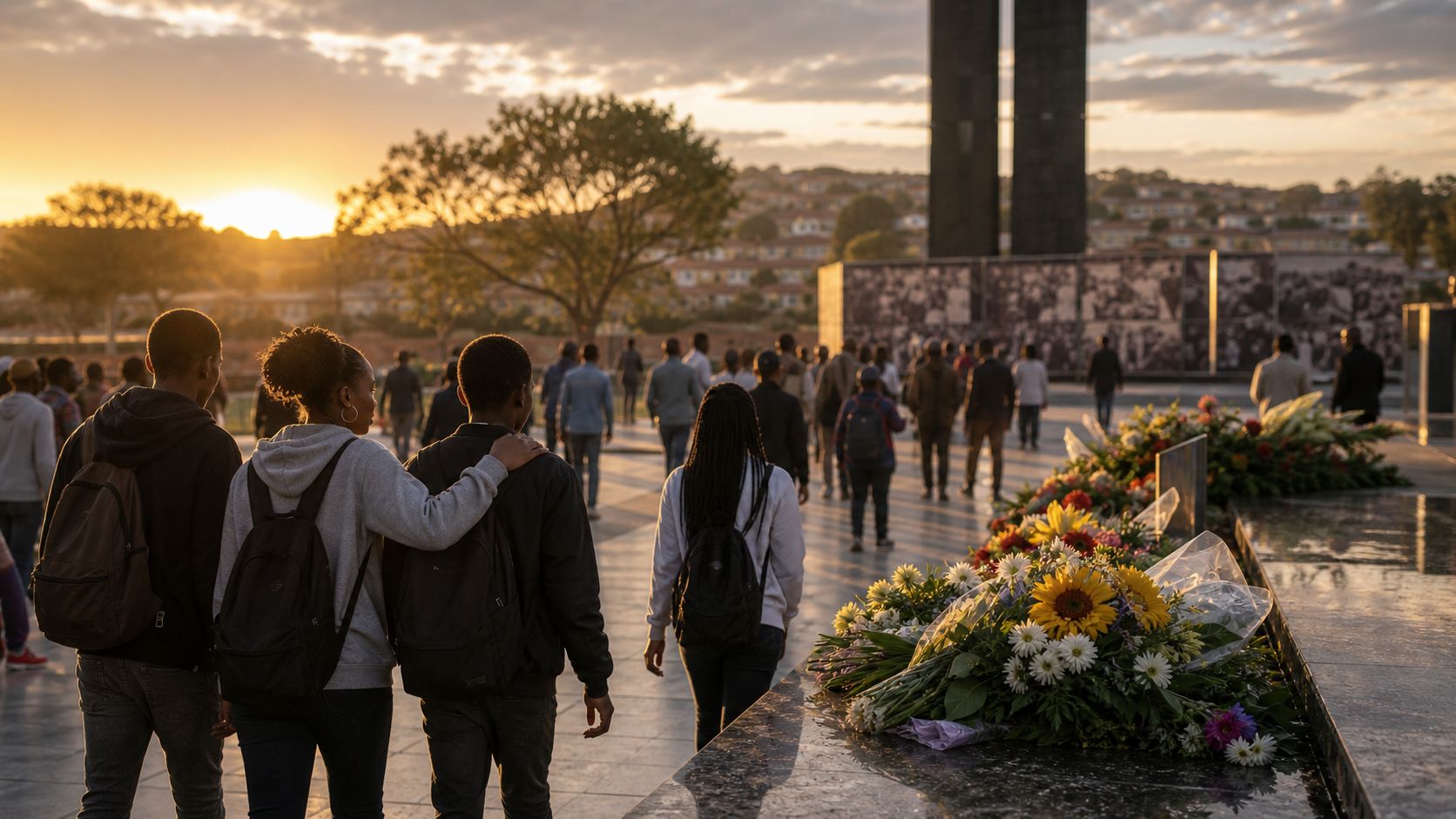
Why this anniversary matters
Memory is a civic act
The young people of 1976 did not march for themselves alone. They marched for the right of every South African child to learn, to be heard, and to live in dignity. The uprising began in Soweto and spread to communities across the country — the Eastern Cape, Limpopo, the Free State and beyond — drawing a generation into the struggle for freedom.
Fifty years later, the anniversary is not only about looking back. It connects historical courage to present-day nation-building: education, youth opportunity, democracy and civic responsibility. The most honest tribute to 1976 is a country that keeps building.
Youth voices
“Placeholder — quote from a young South African on what 1976 means to their generation.”
“Placeholder — quote from a young South African on what 1976 means to their generation.”
“Placeholder — quote from a young South African on what 1976 means to their generation.”
Timeline
Fifty years in six chapters
- 1974–75
The Afrikaans Medium Decree forces Afrikaans as a language of instruction in black schools — resentment builds in classrooms across the country.
- 16 June 1976
Thousands of pupils march peacefully through Soweto. Police open fire. Hector Pieterson, 12, is among the first killed; the photograph of his body carried by Mbuyisa Makhubo travels the world.
- June–Dec 1976
The uprising spreads to townships in the Eastern Cape, Limpopo, the Free State, the Western Cape and beyond. Hundreds die; thousands are detained; many leave to join the liberation movements in exile.
- 1977–1990
June 16 becomes a rallying point of resistance, commemorated underground and in exile through the hardest years of the struggle.
- 1994–95
Democratic South Africa declares 16 June a public holiday — Youth Day — honouring the generation of 1976.
- 2026
The 50th anniversary. Under the theme RESET@50 — The Future Calls, the nation remembers, and asks what this generation will build.
Commemorations — June 2026
Four days of remembrance
13 June 2026
76 Hours in Soweto begins
Film screenings, heritage walks and community conversations across Soweto.
14 June 2026
Youth markets & culture
Young entrepreneurs, creatives and small businesses showcased.
15 June 2026
Career expo & dialogues
A youth career expo and intergenerational 'sober discussions'.
16 June 2026
Youth Day — 50 years
The commemorative walk retracing the 1976 route, the Walk of Generations, and the national Youth Day event.
Programme as publicly announced; details may change — confirm against official channels before publication.
Education resources
Curriculum-aligned resources for schools — the history of June 16, primary sources, and discussion guides for classrooms. Placeholder module: downloadable packs to be added with the Department of Basic Education and heritage partners.
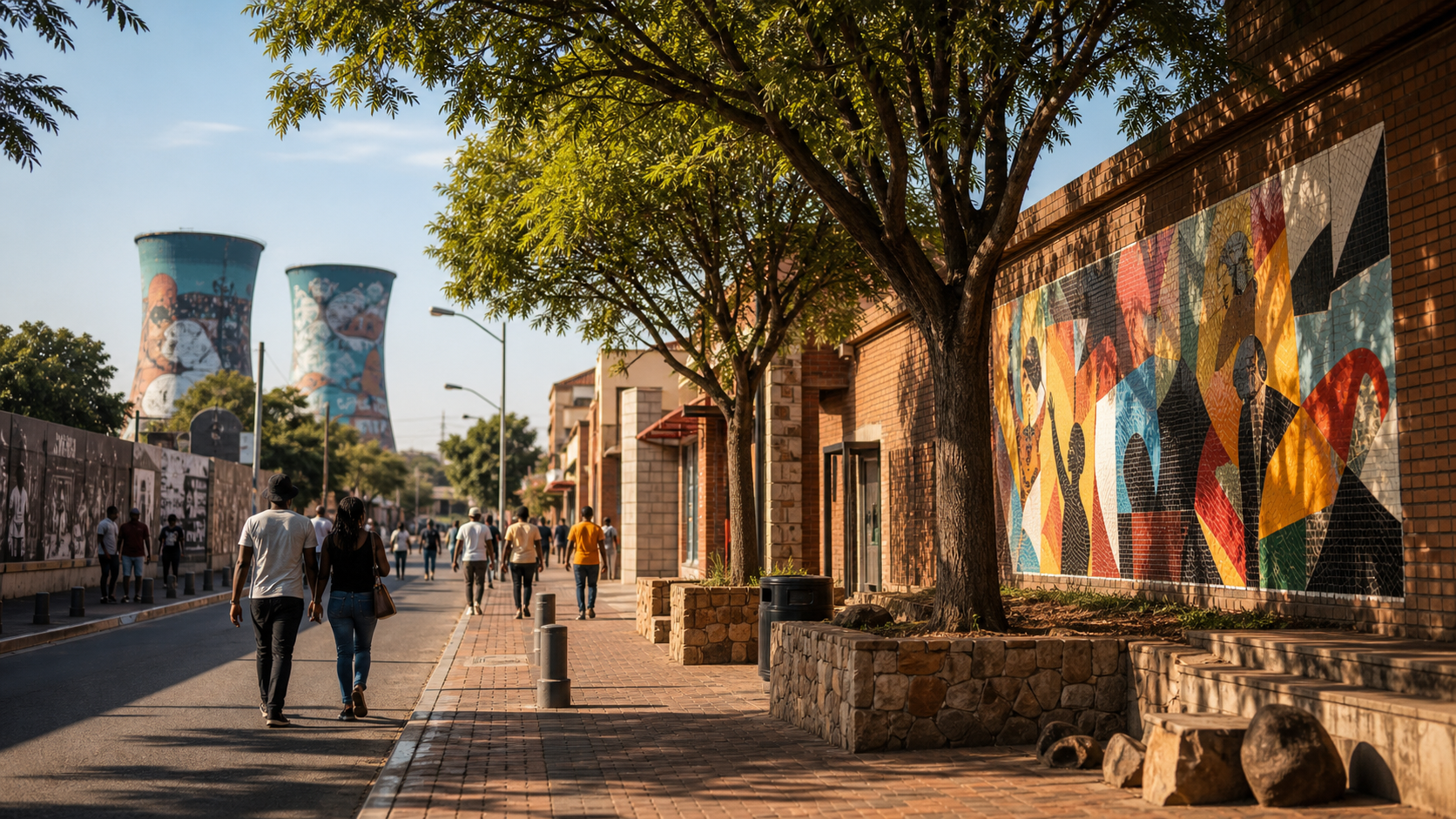
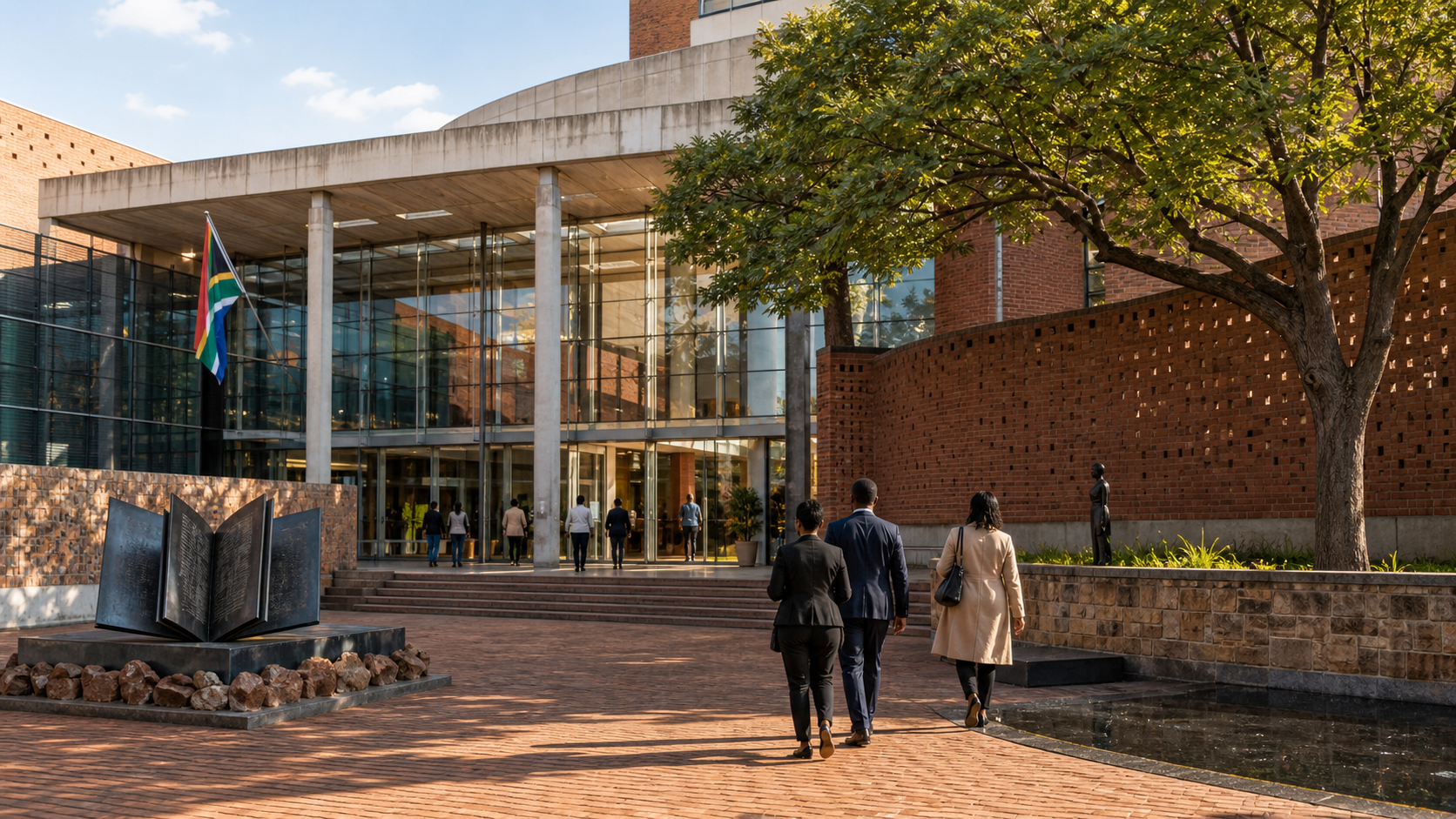
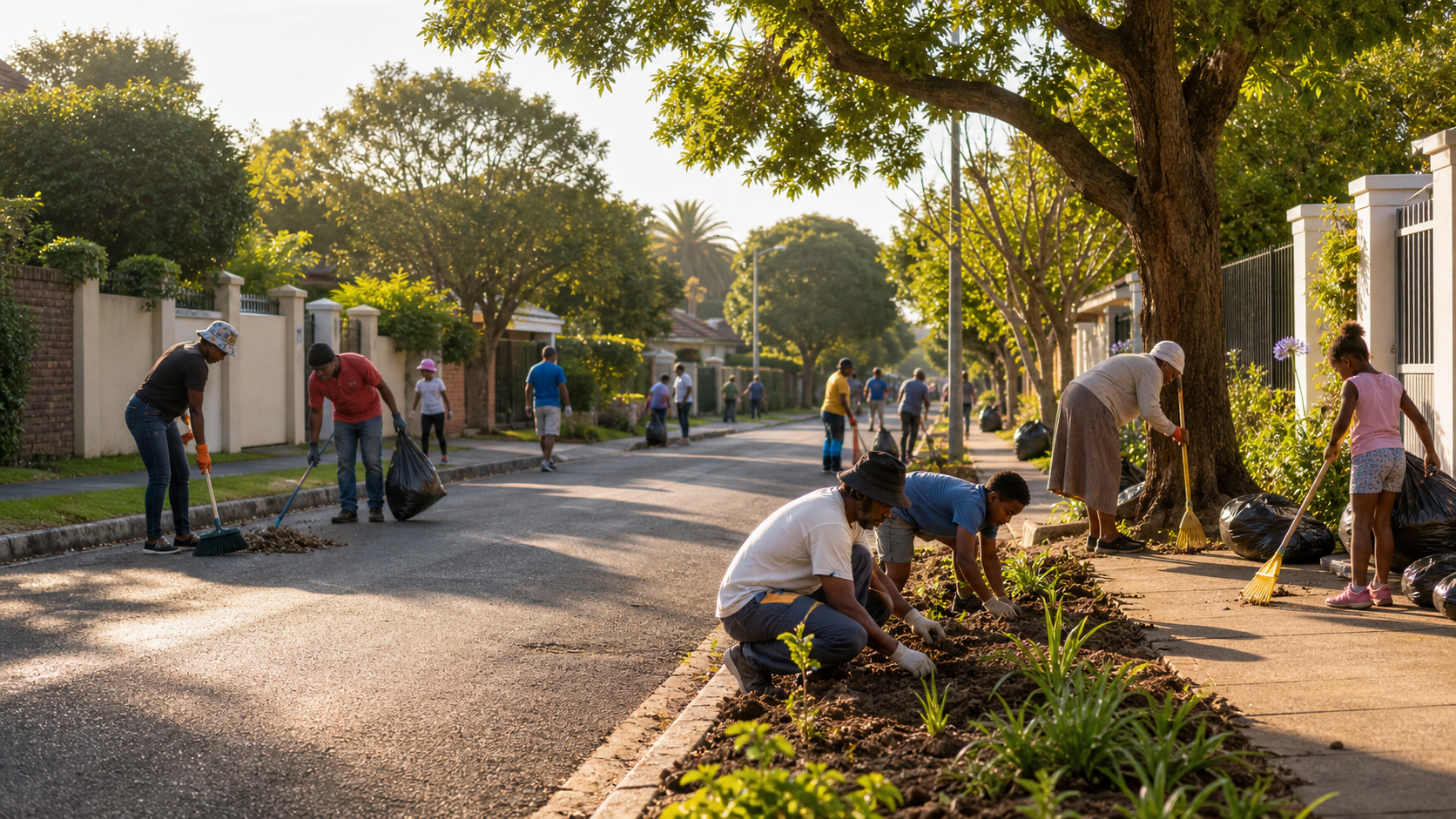
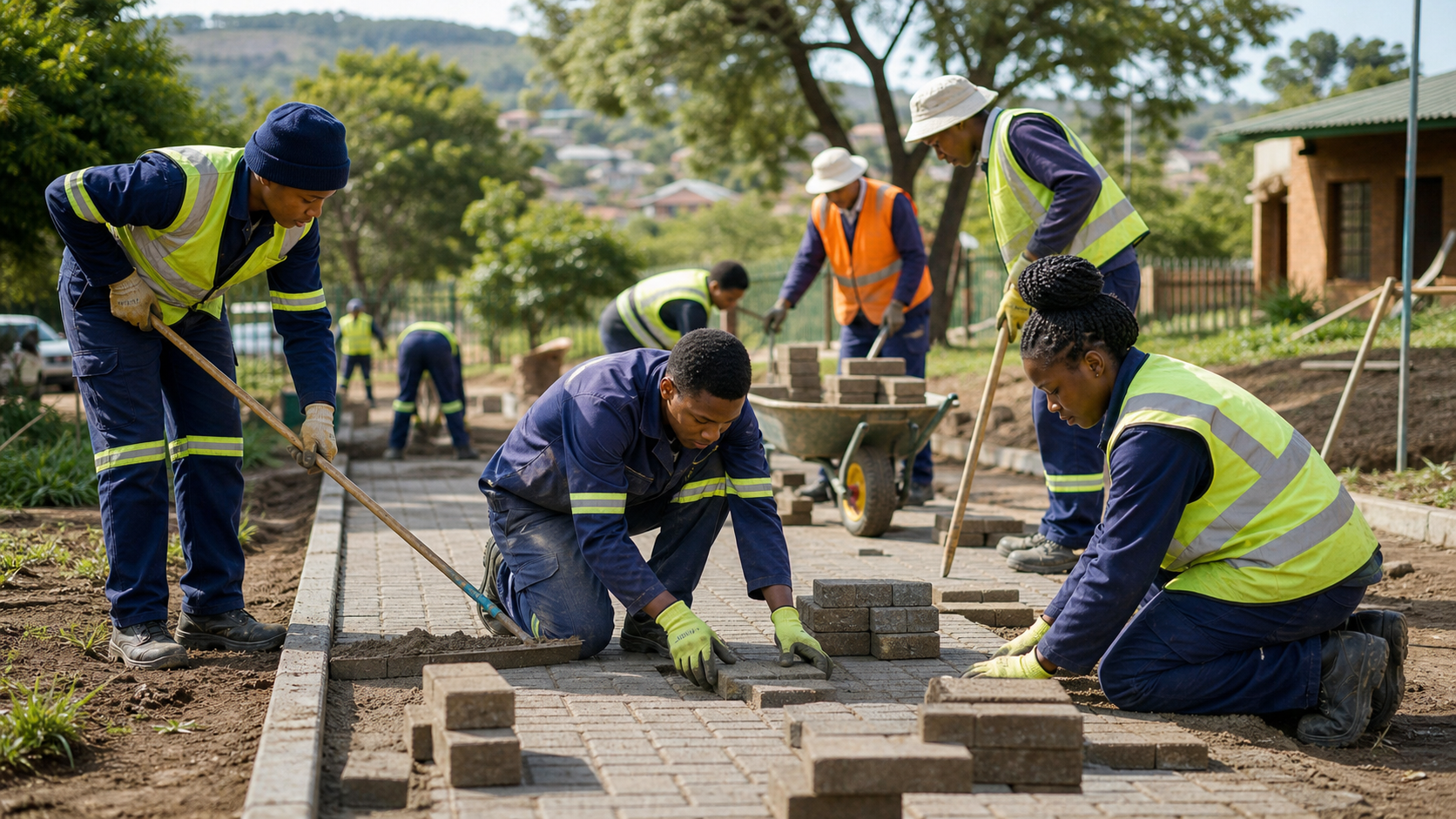
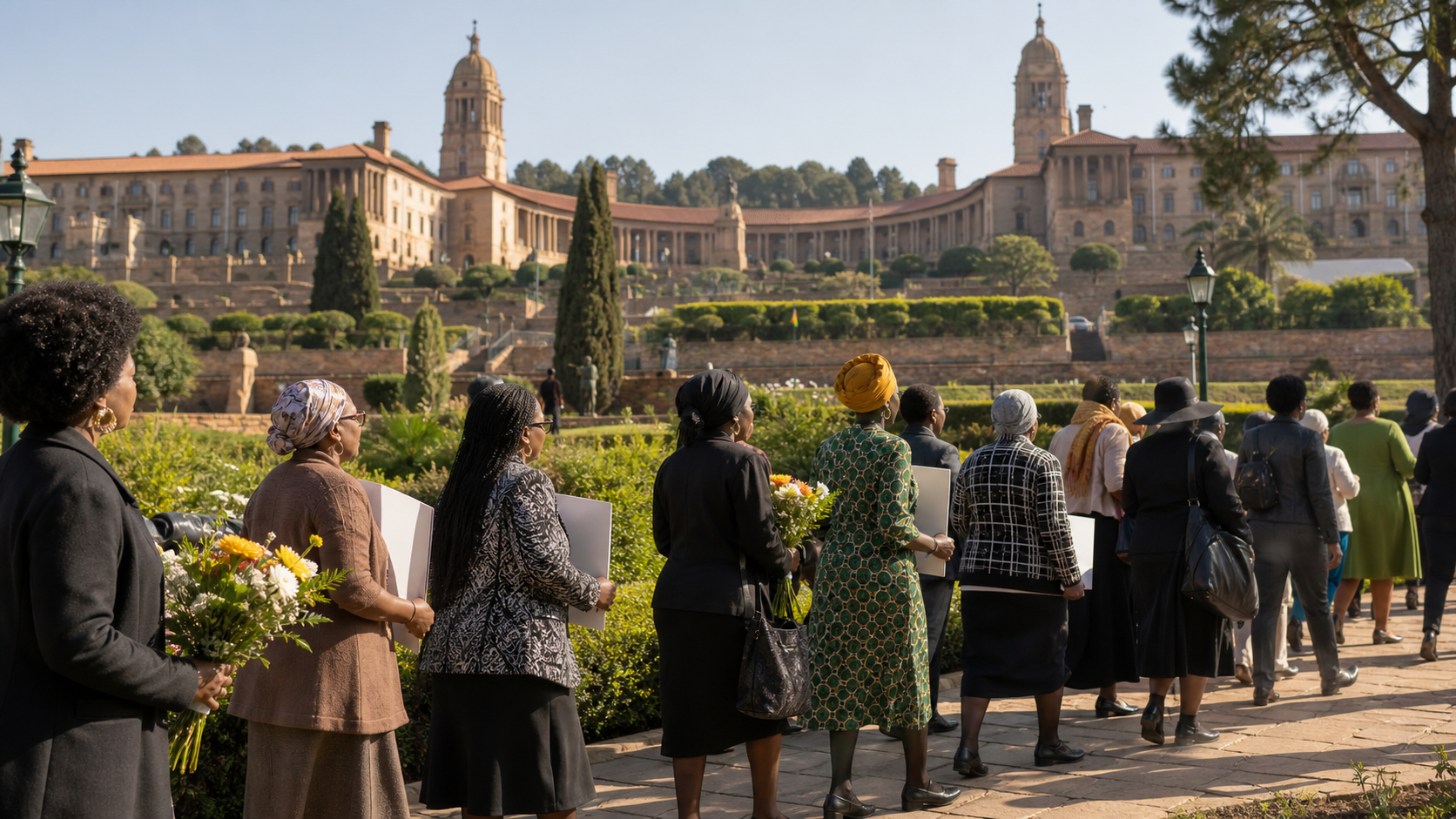
Commemoration, youth and civic-responsibility imagery for the MVP gallery
Learn. Remember. Build.
The generation of 1976 gave everything for the future. The way we honour them is what we do with it.